Blood Hygiene and a Discussion on Fascism, Neo-Nazism, and Jewish History
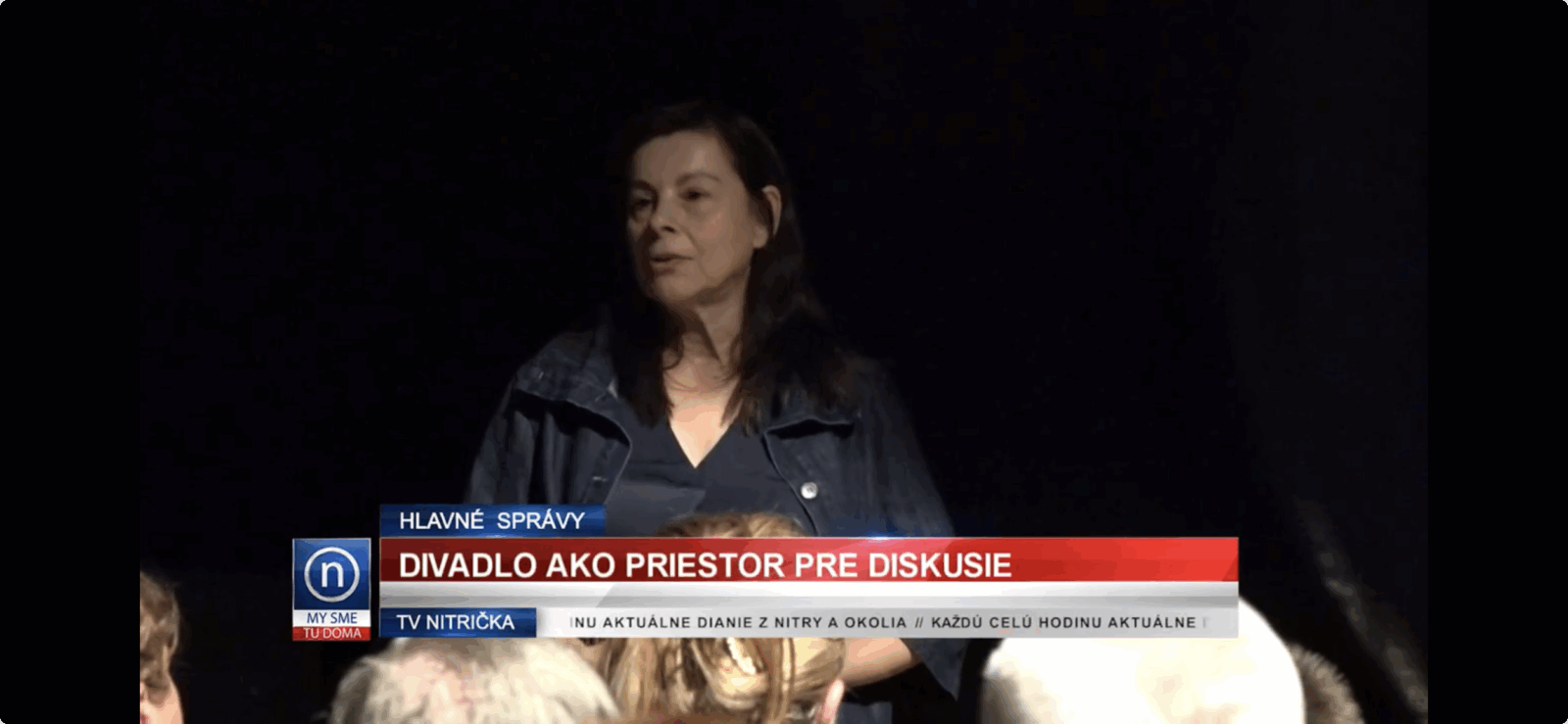
Discussion after the Performance Blood Hygiene
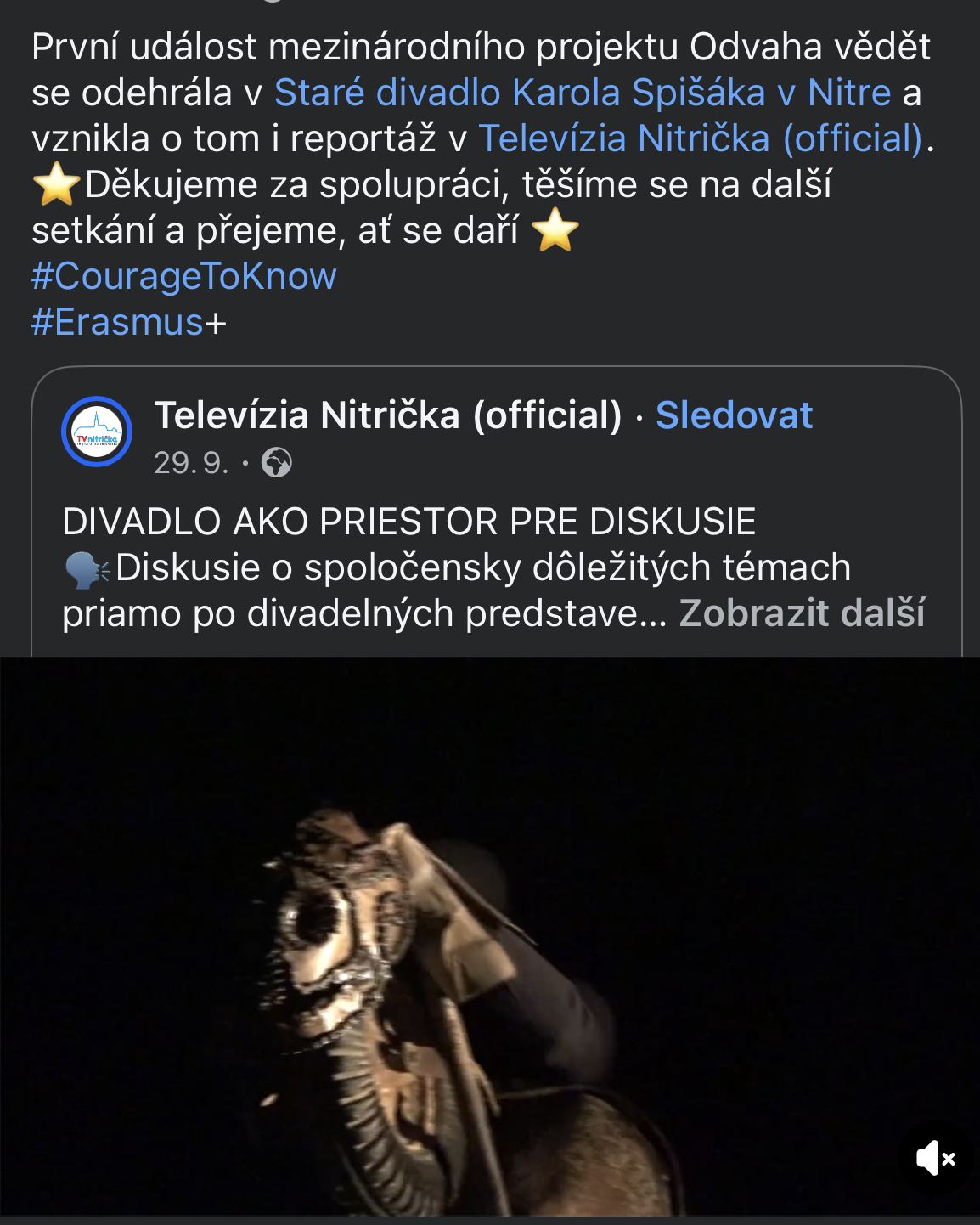
The debate is part of The Courage to Know project, supported by the European Union under the Erasmus+ program.
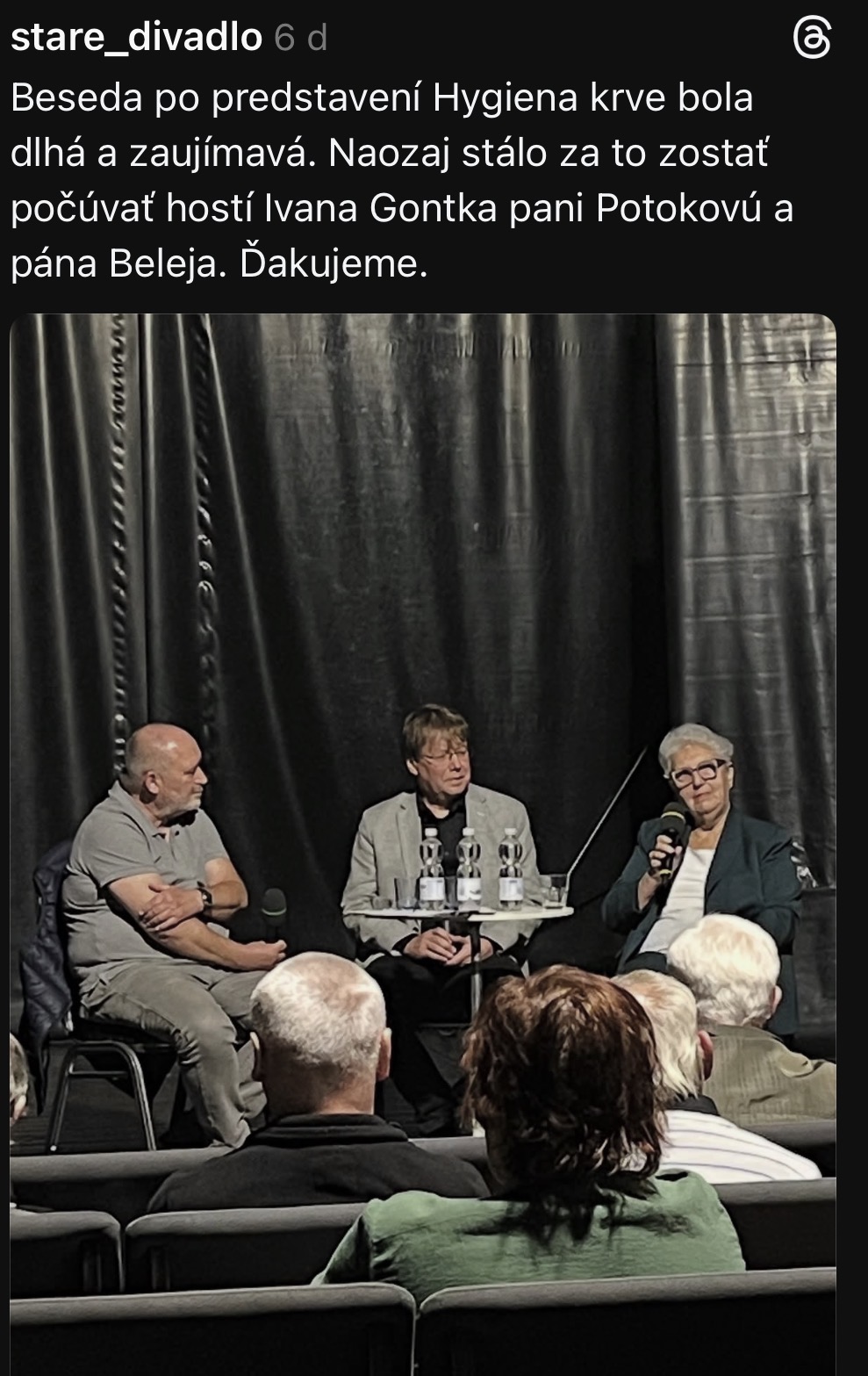
Moderator: Ivan Gontko
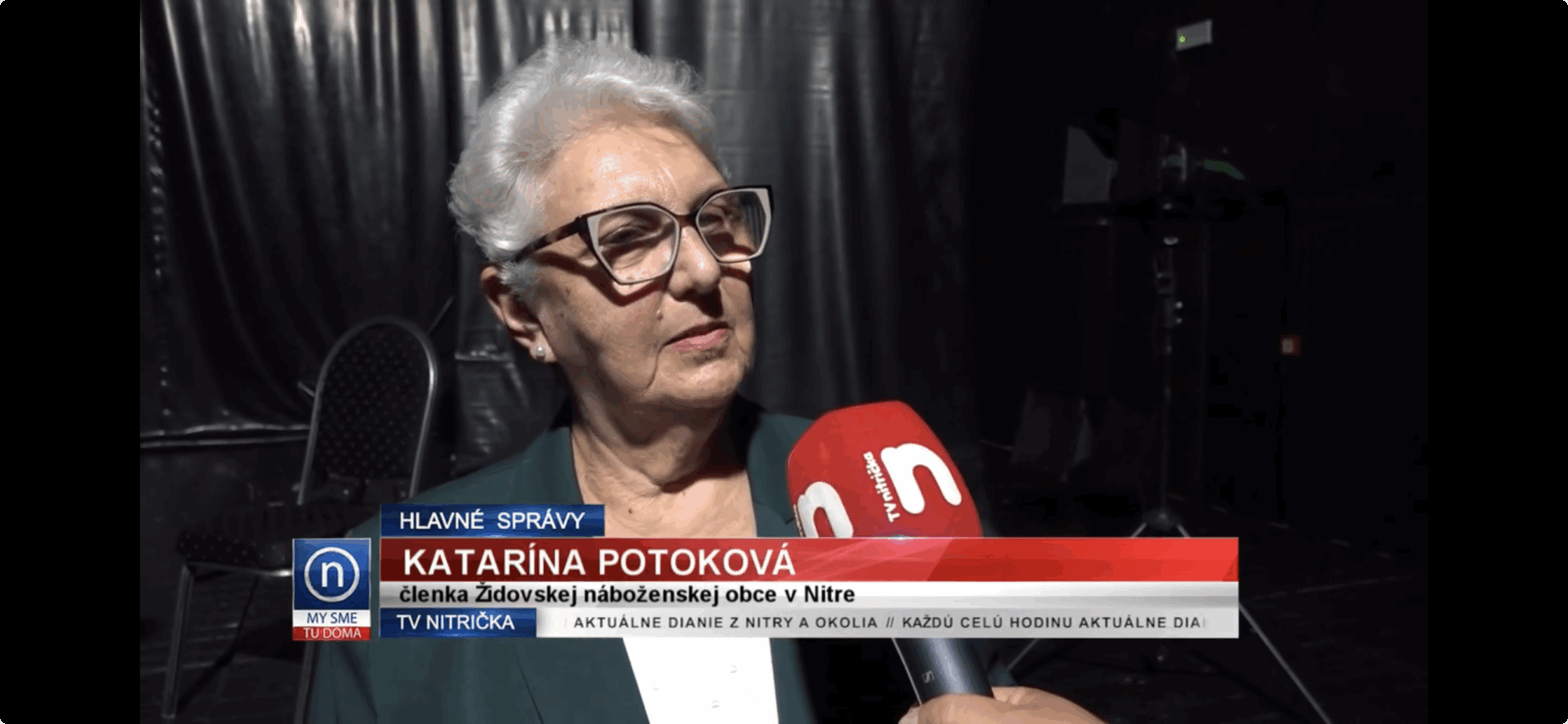
Guests: PhDr. Milan Belej, CSc.; Mgr. Katarína Potoková
PhDr. Milan Belej, CSc. (born 1966) is an archivist and historian. He previously worked at the State Archive in Prešov and, since 2014, has been at the State Archive in Nitra, where he leads the department for processing archival documents. He has long focused on research into emigration, auxiliary historical sciences, and the regional history of Šariš, Zemplín, Ponitrie, Tekov, and Hont. His regional research has resulted in several publications and events dedicated to the history of the Jewish community in Slovakia.
Mgr. Katarína Potoková (born 1950) comes from a traditional Jewish family in Galanta. She studied pedagogy and languages and, throughout her professional life, has been involved in documentary work, journalism, and public engagement. Currently, she is systematically working to preserve the memory of Judaism in which she was raised and to foster open dialogue about it. She regularly participates in events for schools, youth, and the public, many of which she also organizes herself.
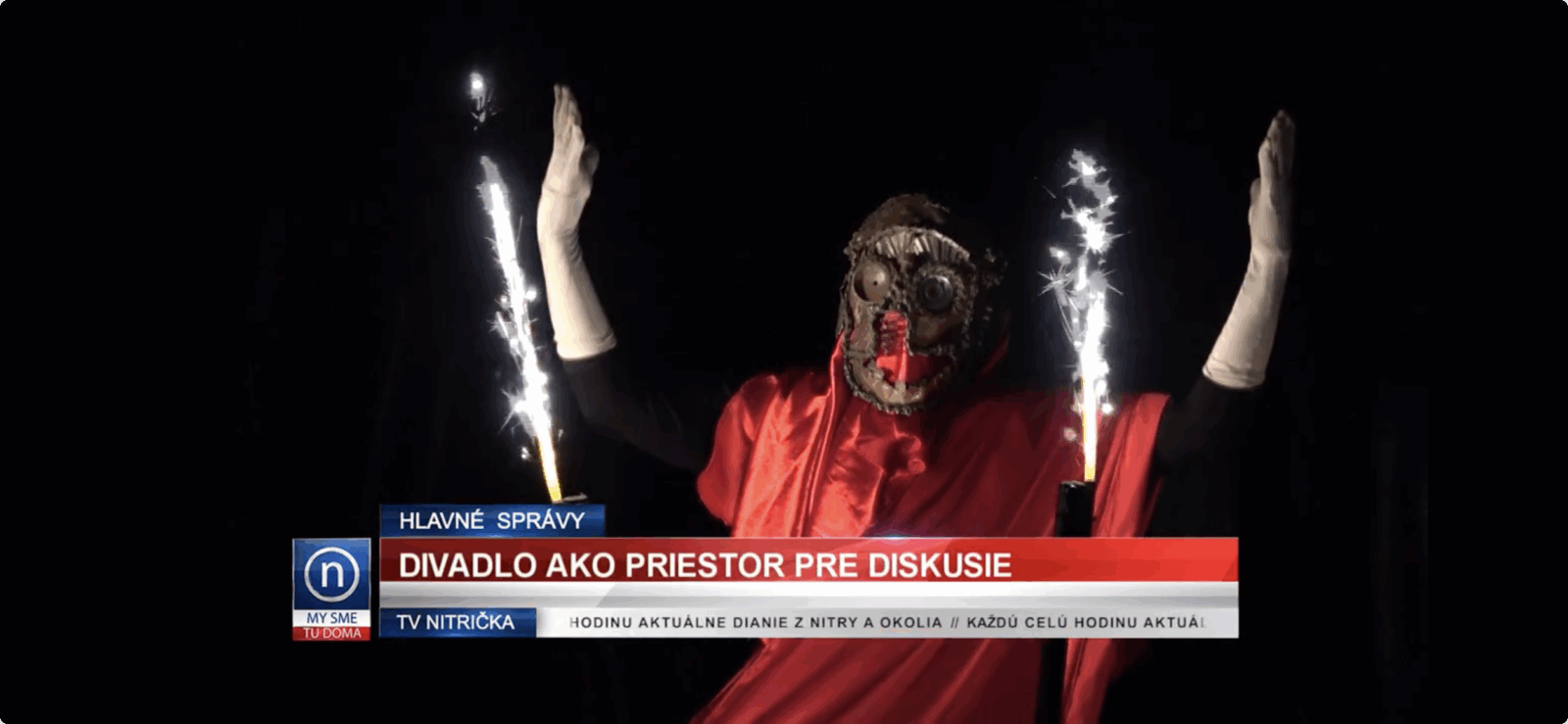
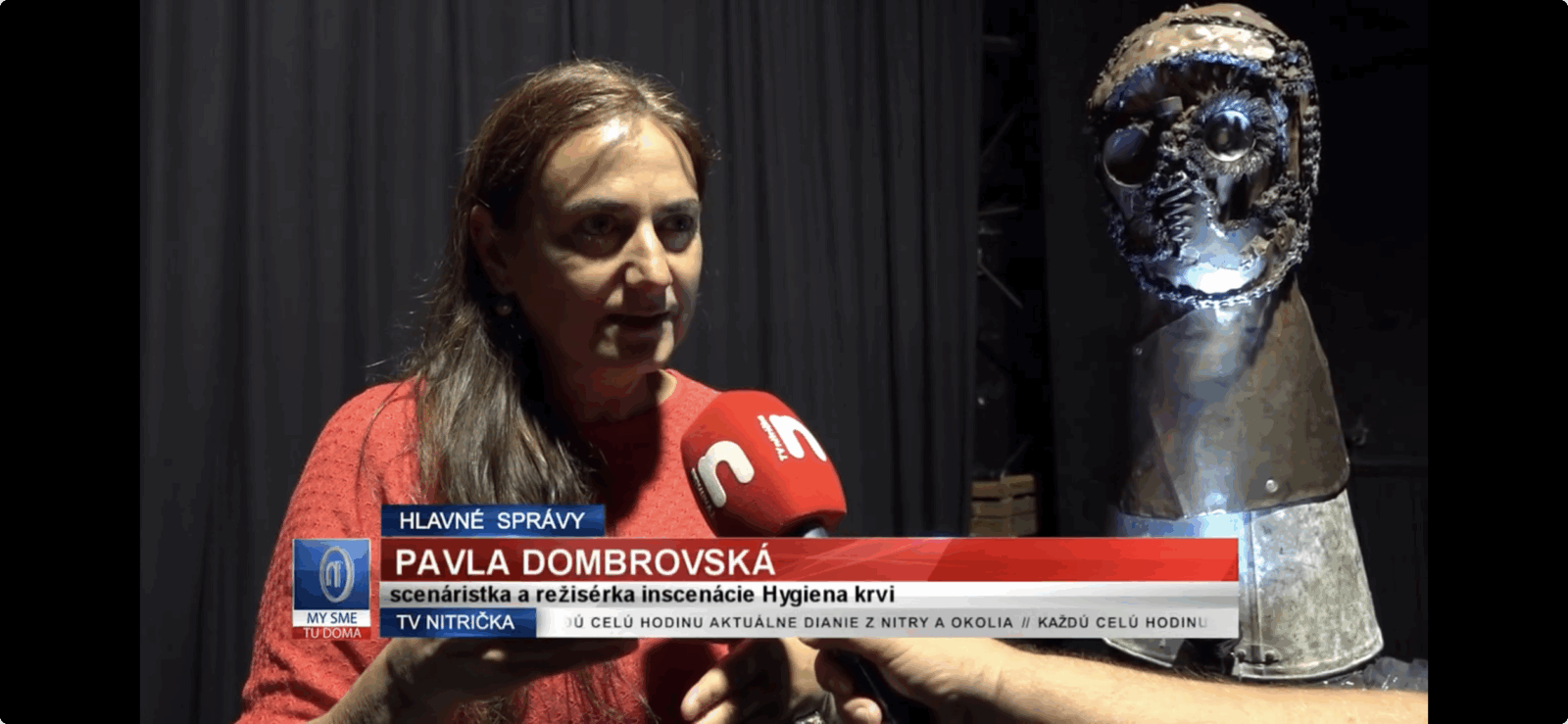
Reportáž z besedy
Discussion after the Performance Blood Hygiene
Introduction and Significance of the Discussion
The discussion focused on the historical significance of the Holocaust as a human tragedy that requires reflection and the preservation of memory. Participants explored the causes and mechanisms of the ideology, emphasizing the dangers of denial and relativization of events.
Fates of the Jewish Community in Nitra
Before the war, approximately 6,000 Jews lived in Nitra, of whom only around 600 survived and returned after the conflict. The discussion highlighted that statistics alone are insufficient — personal stories and contextual understanding are crucial to grasp the dehumanization and tragedy experienced by the community.
Post-War Period and Silence
The discussion also addressed the post-war period and the silence that followed the Holocaust. Personal testimonies revealed that many families remained silent to protect their children from pain, with more intensive reflection and research emerging only after 1989. The ideological and political reasons for silence during the communist era were also discussed.
Cultural and Everyday Life before the War
Attention was given to the everyday and cultural life of the Jewish community before the war. A presentation of the 1933 Nitra almanac showcased the diverse roles of Jews in the city — from merchants and craftsmen to artists and athletes. The emphasis was on preserving the memory not only of the Holocaust but also of religious and cultural traditions, holidays, and daily life.
History through Art and Literature
An important part of the discussion focused on conveying history through art, literature, and theatre. Artistic portrayals, performances based on personal memories, and local stories are effective ways to engage young generations emotionally.
Educating the Youth and the Risk of “Information Overload”
The discussion highlighted the risk of “overloading” young people with information, which can blunt empathy, stressing the importance of targeted work with youth through specific stories and cultural contexts.
Archives, Exhibitions, and Memory Institutions
Archives, museums, and Jewish institutions play a key role in documenting and making historical sources publicly accessible. Examples of local projects included conferences, exhibitions, and a permanent exhibition in the synagogue.
Deportations and Mechanisms in Nitra
The discussion also covered the deportations and the mechanisms of their implementation in Nitra in 1942, including specific collection points and the transport of residents to labor and concentration camps.
Stories of Rescuers and Local Solidarity
Stories of rescuers, the “Righteous Among the Nations” honors, and examples of local solidarity were shared, highlighting the importance of remembering people who risked their lives to save others.
Personal Memories and Continuity of Traditions
The moderator’s personal recollections reflected various attitudes of survivors — from assimilation to maintaining religious identity — and emphasized the importance of preserving traditions and holidays. The discussion also highlighted the role of commemorative events and municipal collaboration with the public in creating shared forms of remembrance.
Conclusion and Recommendations
The discussion concluded with a call to preserve individual stories and local memories as an effective tool for educating younger generations, enhance collaboration among memory institutions to make documents and exhibitions accessible, and highlight examples of solidarity and heroism as preventive and educational measures against dehumanization.